
13 Apr The “Scrape-and-Scale” Strategy: Why Denver’s Infill is the New Gold Rush
For the elite real estate producers of the Front Range, the narrative of the last decade was simple: find a charming bungalow in Wash Park or a fixer-upper in Highlands and flip it to a hungry buyer. But as we move through 2026, the math has fundamentally changed. With Denver’s median home price stabilizing at historic highs and mortgage rates hovering near 6%, the traditional “fix-and-flip” has been replaced by a more lucrative, sophisticated play: the “Mini-BTR” (Build-to-Rent) infill.
The Death of Single-Family Exclusivity
The catalyst for this shift isn’t just market demand—it’s state law. We are now seeing the full-scale impact of HB24-1313, Colorado’s landmark Transit-Oriented Communities legislation. By April 2026, Denver will have streamlined its administrative approval process, effectively ending the era of “not-in-my-backyard” zoning delays for small-scale multi-unit projects.
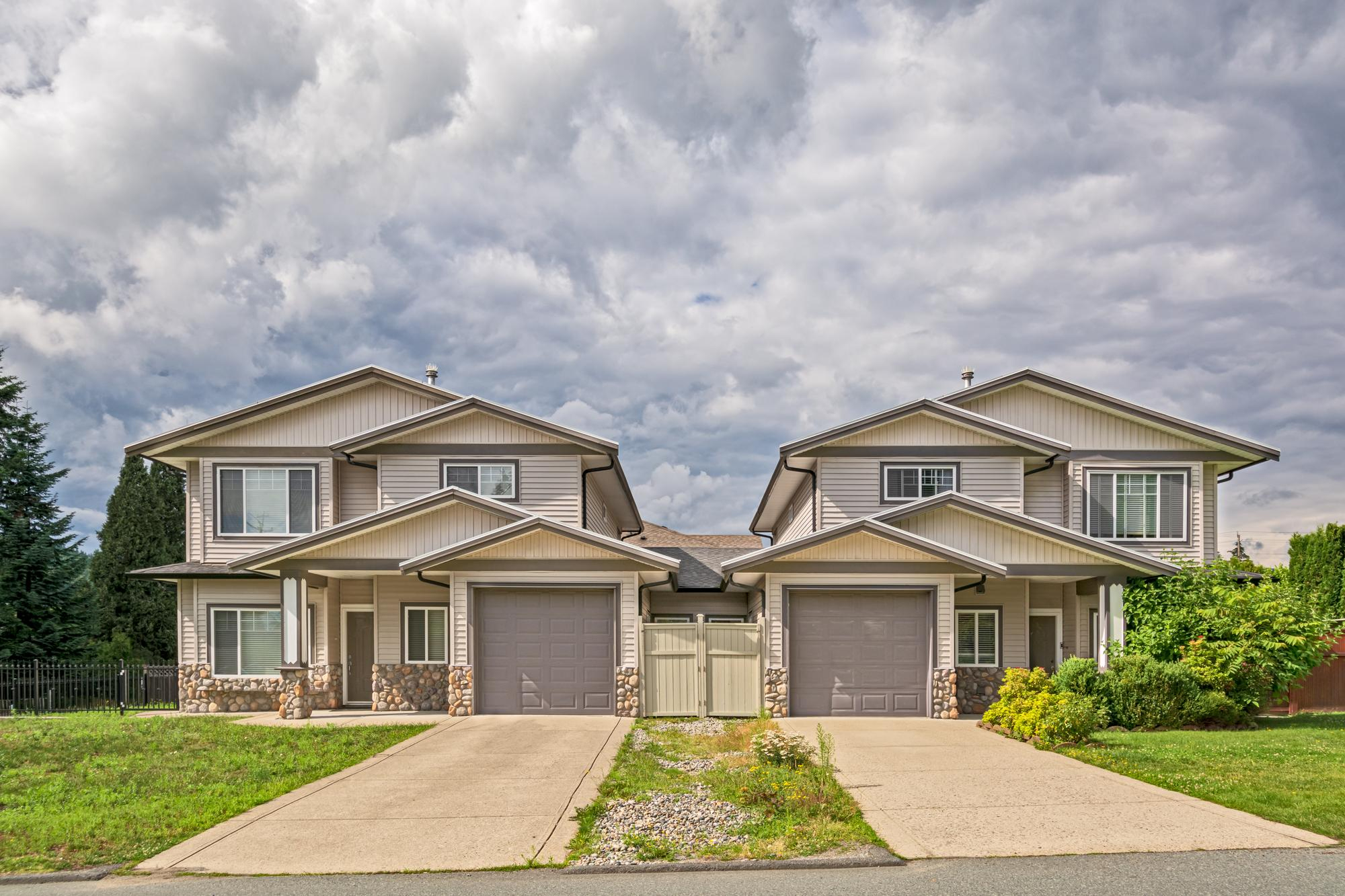
In key “Transit Opportunity Goals” areas—specifically within a half-mile of RTD light rail stations or a quarter-mile of high-frequency bus corridors like Colfax, Federal, and Broadway—density is no longer a request; it’s a right. For Denver agents, this means an 8,000-square-foot lot is no longer just a site for a single luxury home. It is a site for a three- or four-unit rental compound.
Why Denver Agents are Shifting to “Portfolio Architects”
The top 1% of Denver producers are pivoting from being transactional salespeople to becoming portfolio architects. They aren’t just looking for “For Sale” signs; they are identifying underutilized parcels in neighborhoods like Westwood, Montbello, and Sun Valley, where the city is incentivizing “middle housing.”
- The Yield Play: While a single-family rental in Denver might struggle to cash-flow after a 20% down payment, a purpose-built triplex on the same dirt changes the cap rate entirely.
- The Exit Strategy: Advising a client to build a “Mini-BTR” cluster helps them create a commercial-grade asset. When they are ready to sell in three to five years, you aren’t listing a house; you’re listing a high-yield income stream to a hungry 1031-exchange investor.
The Role of Professional Management
The secret sauce to the “Mini-BTR” model is professional property management. In 2026, Denver’s rental market is more competitive than ever, with a massive “cost gap” of over $2,000 per month between owning and renting. Tenants in this “missing middle”—the nurses, teachers, and tech workers—expect more than a DIY landlord can provide.
By partnering with a tech-forward property manager during the acquisition phase, you can provide your clients with “pro-forma” data that factors in Denver’s new energy efficiency mandates and administrative approval timelines. This ensures the property is managed as a high-performing asset from day one, protecting the client’s ROI and your future listing.
The Bottom Line
In the Denver of 2026, the most successful agents aren’t the ones finding houses for people; they are the ones finding units for the city. By leaning into the Mini-BTR revolution and leveraging Colorado’s new density laws, you aren’t just closing a deal—you’re helping build the “Missing Middle” that Denver so desperately needs.
The “scrape-and-scale” era is here. Are you advising your clients on how to capitalize, or are you still just selling four walls and a roof?